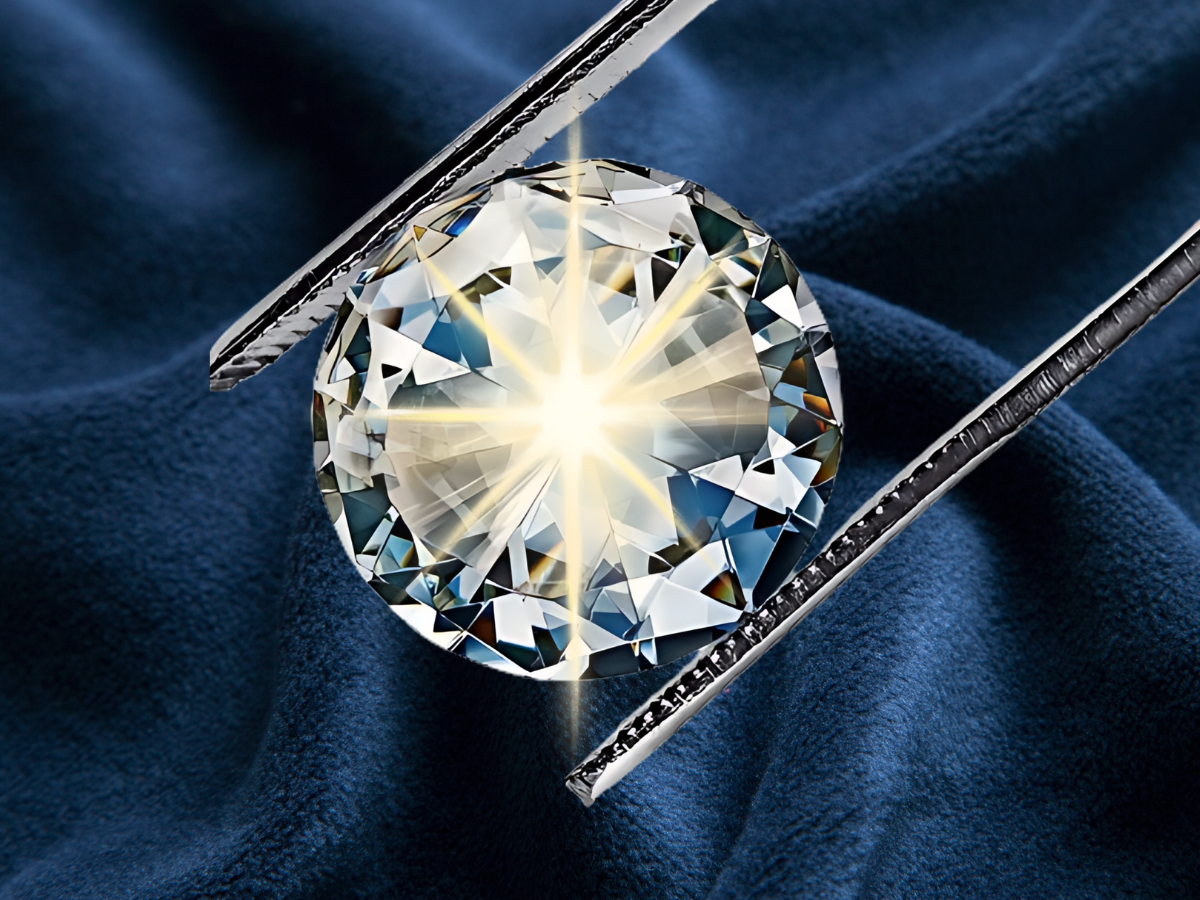

Shimmering under every spotlight, diamonds stay central in high-end jewelry. Not just bright but tough too, they show up most in rings meant for promises, along with pendants, studs, and similar pieces. For ages, mined stones ruled when it came to pure gleam. Still, new methods of creation now bring something different into play – diamonds grown in labs, sometimes called synthetic ones. Unlike old assumptions, these versions match their earth-formed cousins closely, shifting how people view value, ethics, and origin while keeping visual appeal intact.
Loose Lab Grown Diamonds Explained?
Lab-created loose diamonds come from labs instead of deep underground spots where natural ones form. Even though people make them, they match real diamonds atom by atom, sparkle included. Called “loose,” these stones move freely because they’re not fixed into any ring or pendant yet. Buyers pick how to place them later – into bands, chains, whatever fits their vision. Each trait mirrors mined versions down to the last detail. Starting fresh means choices aren’t loose lab grown diamonds. These gems wait, ready for design decisions. Found outside Earth’s crust, grown under watchful eyes. Not dug up, but built just the same way light bends through both. Custom setups begin here – with space to decide what comes next.
Created in labs, diamonds form through mainly two techniques
- A giant press crushes carbon until it changes shape. Deep inside that machine, extreme heat wraps around the material like a storm. Slowly, over time, something hard begins to take form. The way it happens mimics how gems grow far below ground. Pressure stays heavy, constant, unrelenting through every phase.
- Starting with a mix of gases inside a sealed space, tiny bits of carbon settle one at a time on a small diamond piece. Over time, those layers grow into a clear, high-grade stone. A steady flow keeps the process moving without pauses.
Starting off, these methods create stones so close to mined diamonds that specialists can hardly tell them apart. A person wanting the traditional sparkle might find one of these fits just right. Expert eyes often fail to spot any difference at first glance.
Loose lab grown diamonds offer fewer environmental impacts and lower costs compared to mined stones
Folks find loose lab-grown diamonds easier to afford, one reason they’re showing up more often in jewelry today. Cost isn’t the only factor – these stones often come with fewer ethical concerns tied to mining practices. Unlike earth-mined gems, synthetic versions skip the environmental toll linked to digging deep underground. Clarity tends to run higher too, since conditions are controlled during creation. Some buyers prefer knowing exactly how and where a stone was made. Popularity climbs as awareness spreads about these differences
- Ethical and Conflict-Free
- Built on fairness, lab-created stones sidestep the troubles tied to some earth-mined gems. Where digging deep can mean supporting harsh working conditions, growing diamonds above ground removes that risk entirely. A choice like this carries weight – no hidden cost behind the sparkle.
- Environmental Sustainability
- Out in the open pits, pulling real diamonds from the earth takes heavy machinery, lots of water, disruption. Lab-made stones skip most of that mess – less digging, less waste behind. These synthetic versions need far less energy overall. A lower climate toll comes with choosing the ones built in controlled rooms instead.
- Affordability
- A smaller price tag often comes with man made diamonds – usually between twenty and forty percent lower than natural ones of similar size. Because of that gap, shoppers might get a bigger rock or better clarity without spending more.
- Transparency and Quality
- Starting with how they’re assessed, man made diamonds follow identical grading rules as mined ones – cut, color, clarity, and carat matter just the same. Certification comes from known groups like GIA or IGI, which back up their quality claims. These reports confirm what’s real, nothing more.
- Customization Flexibility
- A stone picked separately opens doors to full creative control when making jewelry. Instead of settling for ready-made options, people pick their preferred setting, decide on the kind of metal, then shape the look around personal taste.
Loose Lab Grown Diamonds Versus Natural Diamonds Compared
Not many realize how quickly lab-made stones have risen in appeal, even as natural diamonds keep their old-world charm. Consider this: one begins underground after billions of years, the other grows in weeks under controlled light – yet both now sit side by side in modern settings
Deep underground, natural diamonds take eons to form. Weeks or months is all it takes inside a controlled setting above ground. What you pay reflects how long nature waited versus human speed. Rarity pushes prices up where supply lines stay short on purpose. Trouble sometimes hides behind mined stones from unstable regions. Every synthetic version comes with clean paperwork by design. Digging them out scars landscapes and stirs up heavy emissions. Factories making copies use less energy and leave smaller footprints. To the eye, one sparkles just like its twin made in earth’s core. No visual gap shows when comparing either side under light
Now showing up almost identical to mined stones, human-created diamonds stump experts just as easily. Looking the same while skipping guilt and saving money? That’s why more people pick uncoupled gems made in labs.
Common Applications of Unmounted Lab-Created Diamonds
Picked from a lab, loose diamonds fit into many kinds of jewelry. Not mined but made, they still slide neatly into rings or necklaces. These stones, grown without digging, work just like others in bracelets. Made above ground, they appear in earrings or pendants with ease. Though built in labs, their role stays the same across settings
- Engagement and Wedding Rings
- Besides loving the size, some pairs choose man-made gems since ethics stay intact plus budgets stretch further. A bigger rock comes easier when it’s crafted in labs rather than pulled from earth. Cost does less damage while shine stays strong – this matters more every day. Rings sparkle just as much, only origins differ. Values align better now for those watching impact alongside price.
- Custom Jewelry
- Starting with a single stone, designers shape custom jewelry that stands apart. Whether it is a delicate necklace or simple studs, each piece takes form through careful choice. Often, creators pick loose gems because they fit any vision. With room to arrange and adjust, every setting tells a different story. Style shows up in how light catches an angle, not just the cut.
- Investment and Collecting
- Beauty plus solid paperwork gives these non-traditional, lab-made loose diamonds staying power. Bigger, spotless stones often land in eager hands because they cost less than expected.
Choosing a Loose Lab Grown Diamond
Starting off with loose lab-grown stones means checking what matters most in mined ones too. Picture this – how light bounces inside depends on the cut, just like color affects brightness; each plays a role. Flaws hide in clarity grades, visible under magnification. Weight shows up in carats, though size isn’t everything when brilliance is at stake
- A stone’s ability to bounce light around depends on its cut. When crafted to ideal standards, the glow becomes most noticeable. Sparkle jumps out when proportions hit their peak.
- Diamonds range from D – totally clear – to Z, which carries a hint of pale yellow. Most people prefer them without color. Starting at D, the scale measures how much tint appears. As you move toward Z, traces grow slightly more visible. Clear stones usually attract greater interest.
- Faults inside or marks outside affect how clear a stone looks. The less clutter within, because fewer flaws show up, the better it scores on clarity scales. Clearness gets rated by what’s trapped inside, along with surface spots that tag along.
- A single carat measures how heavy a diamond is. When it comes to lab-made stones, bigger sizes often come within reach without stretching the wallet.
A smart move? Look for a certificate from known labs like GIA or IGI. What backs up the stone’s details is that kind of report – keeps things clear when buying.
Future Of Loose Lab Grown Diamonds
Now showing up more often in stores, synthetic diamonds meet a growing buyer interest in cleaner origins and lighter planetary harm. As tools advance, labs craft gems that shine closer to flawless – bigger too – while price tags shrink slowly over time.
Starting fresh, people now want jewelry made just for them – loose diamonds fit right into that idea. Style, size, or quality won’t be a trade-off anymore. Beauty matters, sure, yet what they believe in matters more when creating something unique.
Conclusion
Starting with sparkle, lab-created stones have reshaped how we view diamonds. Beauty comes through, yet so does responsibility – no mining scars left behind. These gems hold their own against mined ones, often costing less while shining just as bright. For rings made your way, or pieces built over time, they fit like they were meant to be there. Even when only quality matters, and price plays a role, these diamonds answer quietly but clearly.
Thanks to new tech and more informed buyers, these stones have moved beyond being just backup choices – they’re now top picks for people who want sparkle without compromise. Picking a loose lab-created diamond means valuing beauty alongside cleaner production and fair practices.