
Buyers Pick Man Made Diamonds
These days, people buying jewelry tend to toi et moi ring . Value matters. So does quality. A stunning look that stands the test of time? Important. Knowing exactly what they’re getting before handing over cash? Just as crucial. This mindset has led more customers to weigh natural gems against newer lab-made options. Realized long ago, lab grown diamonds fill a practical gap. Same sparkle, same hardness – just less strain on your wallet. Some pick them for size, others for design freedom, a few simply want durability without overspending. When it comes to rings, milestones, or everyday wear, knowing what goes into making these gems removes guesswork. Clarity comes from facts, not hype.
what they are how they are made
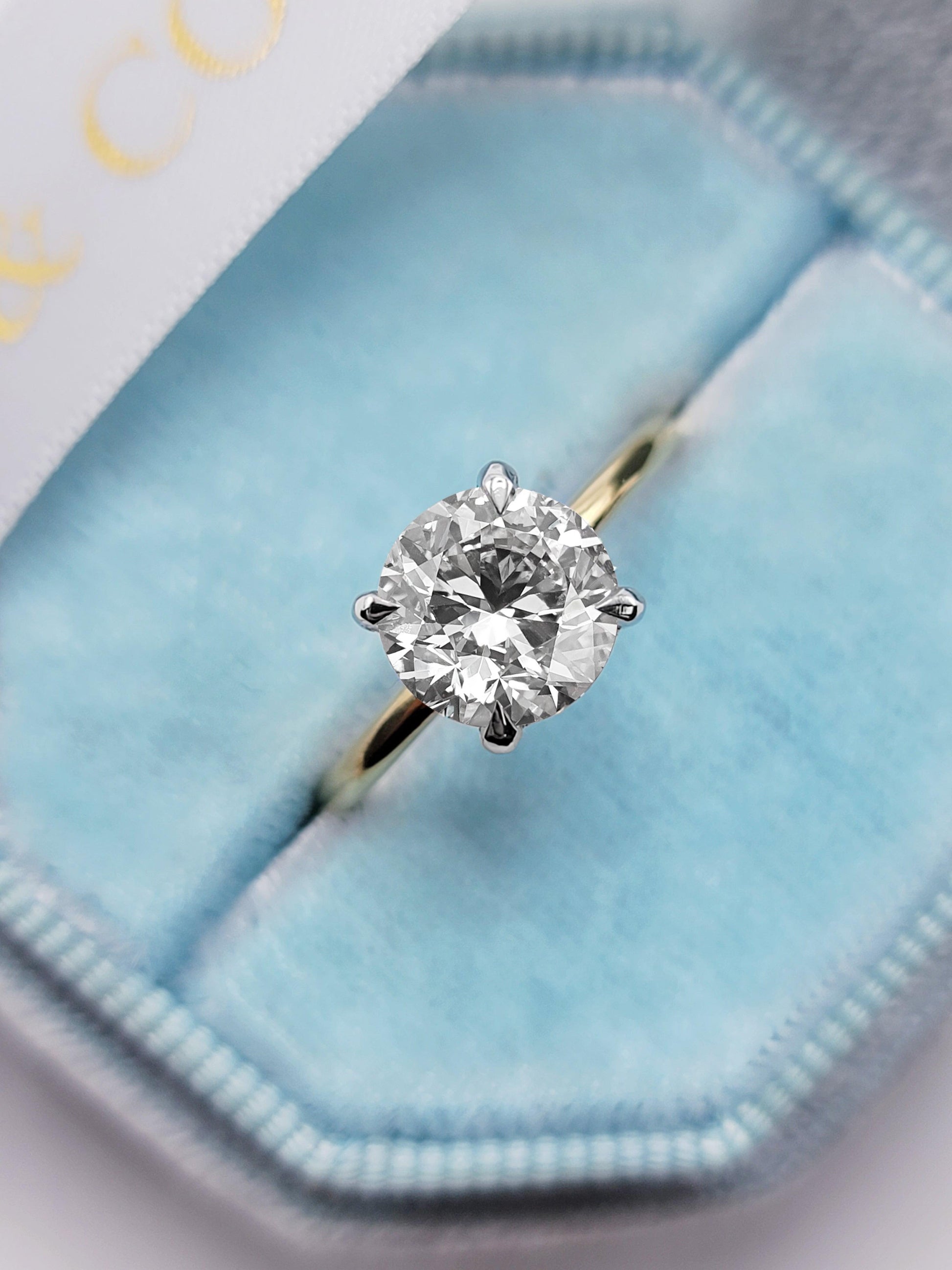
Deep below Earth’s surface, real diamonds take shape over millions of years. These lab versions build the same way, just faster. Instead of waiting eons, scientists speed things up using intense heat and pressure. Carbon lines up atom by atom, forming a lattice identical to what’s dug from the ground. One technique squeezes carbon between metal plates while heating it extremely. Another uses gas inside a chamber, breaking it down so pure carbon settles onto a base. Both paths lead to gemstones that sparkle like traditional ones. Not one visual difference shows up under standard inspection
- Under extreme heat, HPHT kicks in. Pressure builds up fast during the process. Intense conditions reshape materials slowly. Temperature climbs steadily throughout. Forces combine without warning here. The method relies on sheer intensity. Energy concentrates under these extremes
- CVD, which grows the diamond layer by layer
After they’re made, these stones get sliced, smoothed, then sorted – just like natural ones. That counts, since what you’re getting isn’t some fake like zircon or plain glass. It’s an actual diamond, just as tough, able to shine bright if shaped right.
Price affects your choices
Most people start worrying about price when buying jewelry. A nice ring should feel meaningful, yet saving money matters – maybe for trips, a house, later events. Man made diamonds catch attention here. Often, they’re priced lower than similar natural ones. One choice might shift what else you can do. Picture this: money set aside for a small natural diamond could stretch toward a bigger lab-grown gem or one with cleaner details inside. Just because it’s labeled affordable doesn’t make it a steal. How much something costs depends on where you buy it, who checked its traits, how it’s shaped, and how well it was cut. Look at everything together instead of just the big number slashed off the front.
Smart Buying How to Assess Quality
Start small if you need to. Big stones sometimes disappoint when cut poorly. Brightness hides in better craftsmanship, not just size. Think beyond how big it looks. What matters most shows up in balance – cut, clarity, color, carat. Let one guide the others
- Cut: The most important factor for sparkle
- Most times a lighter shade gives off a more white look
- Clarity: Fewer visible inclusions means cleaner appearance
- Carat: Measures weight, not beauty
Start by requesting a certification from an established grading service. Check the shape details when they’re listed. Well-balanced facets along with precise alignment usually count for more than a slight increase in carat weight.
Quick Buying Rule
Pick the finest cut within your budget early on. After that, match color with how clear it looks. Only then think about dimensions.
Everyday Ring Style Choices
Start smart when picking a ring if dirty hands come with the job. Travel plans? Think about what survives constant moving. Simpler styles often beat flashy ones when life gets messy. Settings that cup the center stone usually win for safety. Durability matters more than size, especially daily wearers know this. Metal choice plays backup – thicker bands handle bumps better. Hidden prongs keep gems from slipping out on busy days. Some people skip high polish; it shows scratches too fast
- Bezel settings for extra protection
- Six-prong solitaire settings for security
- Low-profile halos that reduce snagging
- Thicker bands for long-term durability
Starts with a wider outline, so an oval diamond often appears bigger on the hand. Take shape into account – radiant cuts stretch further across the finger compared to rounds. Size illusion matters; one point five carats in an elongated design might cover more space than a circular cut at the same weight.
Buying online without regret
Most times, buying stuff online means plenty of options along with lower prices – provided you look closely at what’s listed. Go through each detail slowly prior to confirming your order:
- Clear return policy
- Certification report
- High-resolution photos or video
- Exact measurements in millimeters
- Should something go wrong, coverage might apply. A different size could also be available if needed
- Verified customer reviews
Beware of pages that leave out key facts. When a seller skips info about condition, just walk away.
Shapes That Enhance Perceived Size
Biggest ones seem that way since force gets shared over wider spaces. Favorites are these:
- Oval
- Pear
- Marquise
- Emerald
- Radiant
Most people still love round stones – they shine bright through decades of changing tastes. Yet that timeless look usually costs more than you’d pay for other shapes. When bigger appearance matters most, check measurements instead of just carat weight.
Care and Maintenance
Though tough, diamonds gather grime over time – oil sticks, then soap follows, dust piles on top. Sparkle fades slow when buildup blocks light. A quick wipe now keeps that shine awake
- Start by rinsing under warm water. A soft brush works well when you add a little mild soap. Work gently over the surface. Rinsing again removes any leftover residue. Warmth helps loosen dirt without harm. Soap used lightly keeps things safe. Finish by drying slowly with a clean cloth
- Store pieces separately to avoid scratching metals
- Once in a while, take a look at the prongs. Maybe do it again later – timing does not need to be exact
- While moving heavy objects, take off your rings. Harsh scrubbing means leaving jewelry behind. When hands face tough jobs, let fingers stay bare. Rough tasks? Slip bands into a pocket instead. Fingers need space when labor gets intense. Save shiny things for easier moments
Most times, a spotless stone beats a bigger grimy gem. Size matters less when grime dulls the shine.
When They Are Most Useful
Most people looking for value will find these stones make sense. When size matters but so does staying within limits, they offer a balanced path forward. Choosing something bigger at less cost often means room for details that reflect taste. Some pairs would rather save for travel than spend heavily on a single item. This kind of thinking depends on what feels important to you. Not every pair weighs things the same way. What fits one couple might not fit another. In the end, it comes down to where you place your weight.
Deciding Now
Whatever you’re ready to spend sets the starting line. Pick a band design next. From there, look at diamonds by how they’re cut, their size numbers, their grading report. When things get tangled, bring it down to just three options – then weigh them side by side
- Total price
- Cut quality
- Face-up size
- Return policy
- Setting durability
Feelings take a back seat when decisions happen here.
Common Questions
Do man made diamonds test as real diamonds?
True. Just like natural ones, lab-grown diamonds share the exact atomic arrangement found underground. Their makeup isn’t different – it’s identical at the most basic level.
Over time, does their shine fade away?
Far from it. Shine comes down to how well the stone is shaped, kept spotless – nothing more than that. Whether dug up or made under controlled conditions makes zero difference.
Could these work as engagement rings? Maybe so.
Fine. Built to handle everyday use, they show up often in engagement jewelry – especially with settings that hold tight.