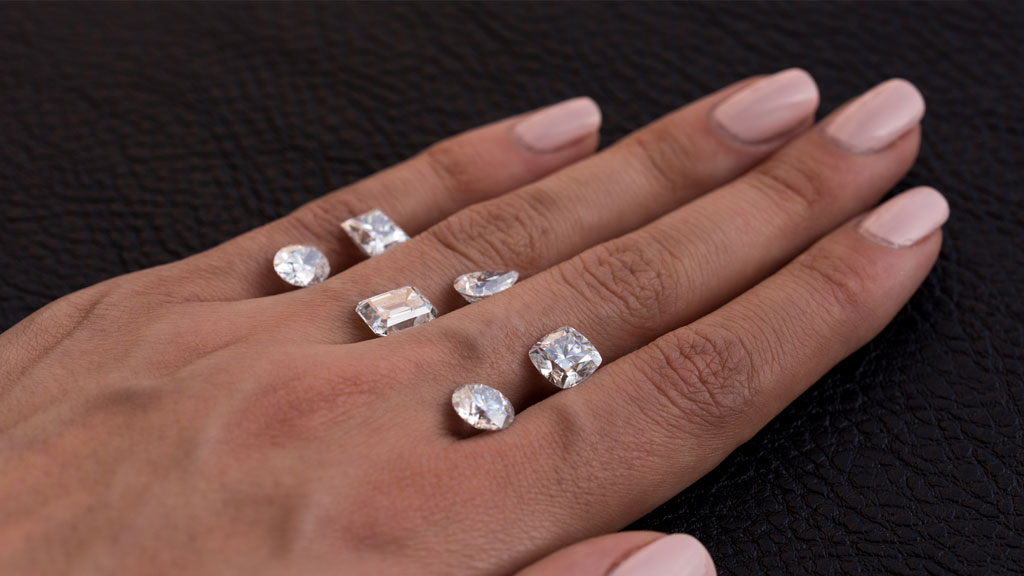

A diamond can look surprisingly different depending on the metal surrounding it. Set the same stone in white gold and rose gold, and the change becomes noticeable. White gold creates a cooler contrast, while rose gold introduces a softer, pinkish warmth that can influence how the entire ring looks.
That difference makes rose gold an interesting choice for an engagement ring, particularly for someone who prefers subtle color rather than a traditional white-metal setting.
Yet appearance is only part of the decision. Gold purity, diamond color, setting construction, and the shape of the wedding band all deserve attention before a ring is ordered.
What Gives Rose Gold Its Distinctive Color?
Rose gold is genuine gold mixed with other metals, primarily copper. The copper produces its characteristic pink tone, while additional alloying metals, including silver in some formulations, help adjust its appearance and physical properties.
Unlike plated jewelry, solid rose gold does not rely on a thin surface coating to achieve its color. The pink tone comes from the alloy itself.
However, not every rose gold ring looks identical.
Some alloys have a pale, almost champagne-pink appearance. Others lean toward deeper copper tones. These variations depend on the proportions of metals used by the manufacturer.
For buyers comparing rings online, photographs can make these differences difficult to judge. Asking for images under neutral lighting or examining a sample can provide a better impression of the finished metal.
The Difference Between 14K and 18K Rose Gold
Two common options in German fine jewelry are 14-karat and 18-karat gold, often identified as 585 and 750 gold.
The numbers indicate the proportion of pure gold in the alloy.
| Feature | 14K Rose Gold (585) | 18K Rose Gold (750) |
|---|---|---|
| Gold content | Approximately 58.5% | 75% |
| Color | Often a stronger pink tone | Often a softer rose tone |
| Hardness | Generally harder, depending on alloy | Generally somewhat softer |
| Gold content and cost | Lower gold content | Higher gold content |
| Everyday suitability | Suitable with sound construction | Suitable with sound construction |
A higher gold content does not automatically mean a ring will resist wear better.
For example, a well-constructed 14K ring with a substantial band may be more practical for someone who frequently works with their hands than a delicate 18K design with an extremely thin shank.
The alloy is only one part of the equation. Band thickness, setting quality, and maintenance also influence durability.
How Rose Gold Changes the Appearance of a Diamond
The relationship between diamond color and metal color deserves closer attention than it usually receives.
A colorless diamond in rose gold can create an attractive contrast between the bright stone and warm band. However, rose-colored prongs and the surrounding setting may introduce warm reflections into the diamond.
Someone prioritizing a particularly white-looking center stone might prefer a two-tone design, using rose gold for the band and a white-metal setting around the diamond.
This approach preserves the warmth of the ring while reducing the visual influence of the rose-colored metal immediately surrounding the stone.
Diamonds with slightly warmer color grades can also look pleasing in rose gold. The metal may make subtle warmth feel intentional rather than distracting.
For buyers exploring rose gold engagement rings, comparing the same diamond shape in different metal and prong combinations is a useful way to assess these visual differences before settling on a design.
Diamond Shapes That Work Particularly Well
Rose gold accommodates many diamond shapes, although each creates a different overall impression.
Round brilliant diamonds offer a familiar appearance with strong light performance when properly cut. A simple rose gold solitaire allows the diamond to remain the main visual feature.
Oval diamonds create an elongated appearance that can make the ring look more delicate. Buyers should examine the stone’s proportions and any noticeable bow-tie effect rather than relying on carat weight alone.
Emerald-cut diamonds suit restrained designs with clean lines. Their broad, step-cut facets also make inclusions and body color easier to notice in some stones, making individual inspection particularly useful.
Cushion-cut diamonds complement the warmth of rose gold, especially in designs inspired by older jewelry styles. Their rounded corners offer a softer outline than princess or emerald cuts.
There is no technical requirement to select a particular diamond shape for rose gold. The more useful question is how the shape, setting height, and band proportions work together on the hand.
Choosing a Setting for Everyday Comfort
An engagement ring might look delicate in a photograph but feel noticeably different during daily activities.
A high-set solitaire provides greater space beneath the diamond, which can help accommodate certain wedding bands. However, a prominent setting may catch on clothing or gloves more easily.
A lower-profile design generally sits closer to the finger, although its shape may prevent a straight wedding band from sitting flush.
Bezel settings offer another practical option. They surround the diamond’s edge with metal, providing additional protection against some accidental impacts.
Their trade-off is visual. A bezel can create a more defined metal outline and may change how large the diamond appears.
Pavé settings introduce smaller diamonds along the band. They add sparkle, but the small stones and their metal supports require care, especially when the ring is resized.
Buyers should consider how often the ring will be worn during work, exercise, and ordinary household activities rather than selecting a setting solely from its photographs.
Lab-Grown Diamonds and Grading Reports
Lab-grown diamonds can be paired with rose gold in the same general setting styles used for mined diamonds.
They have the same fundamental chemical composition and crystal structure as natural diamonds, although their origin and market pricing differ.
When comparing lab-grown diamonds, pay attention to the individual stone rather than assuming that two diamonds with identical carat weights will look alike.
Cut quality can have a substantial effect on brightness and visual appeal. Proportions, symmetry, and light performance matter, particularly for round brilliant diamonds.
For fancy shapes such as ovals and cushions, photographs and videos can help reveal differences that may not be obvious from grading information alone.
Buyers should also request an independent grading report where lab grown diamonds, such as documentation from IGI or GIA, and check that the report number and stated specifications correspond to the diamond being offered.
A grading report describes the stone’s characteristics. It does not replace an assessment of the completed ring’s craftsmanship.
Matching the Engagement Ring With a Wedding Band
Wedding-band compatibility is easier to address before ordering an engagement ring than after the setting has been completed.
A rose gold engagement ring can be paired with a matching rose gold wedding band for a consistent appearance. A white gold or platinum band creates a deliberate contrast.
Mixing metals is largely an aesthetic decision, but the physical fit deserves equal attention.
A straight wedding band may leave a visible gap beside an engagement ring with a low-set diamond. A curved or contoured wedding band can solve that problem, although its shape may make it less versatile when worn alone.
Band width also changes the overall balance.
A narrow wedding band can preserve the delicate appearance of a solitaire. A wider band produces a stronger visual frame around the engagement ring.
It is useful to try both rings together or request a rendering of the intended combination before confirming a custom design.
Details Worth Confirming Before Ordering in Germany
German jewelry descriptions commonly identify gold purity using marks such as 585 or 750. Buyers should confirm these specifications rather than relying on descriptions such as pink gold or rose-colored metal.
Accurate ring sizing is equally important, particularly for orders placed online.
German ring sizes are commonly expressed through the finger circumference in millimeters. A ring marked size 54, for example, generally corresponds to an internal circumference of approximately 54 mm.
The correct size can still depend on band width, finger shape, and personal comfort.
Before placing an order, clarify whether resizing is available, whether a custom-made ring can be returned, and what documentation accompanies the diamond.
For people ordering from outside Germany, delivery arrangements and any applicable import charges should also be established in advance.
Keeping Rose Gold and Its Setting in Good Condition
Rose gold does not normally require the periodic rhodium replating associated with many white gold rings. Still, it is not resistant to scratches or everyday wear.
Fine surface marks can gradually soften the polished appearance of a band. Contact with harsh cleaning products, chlorine, and abrasive materials should be avoided.
For routine cleaning, mild dish soap diluted in warm water and a soft brush are generally suitable for a securely set diamond ring. Cleaning advice may differ if the design includes other gemstones.
The diamond setting also needs occasional inspection. A loose prong can be difficult to notice until the stone begins moving.
Anyone planning to wear the ring alongside a wedding band should check for persistent rubbing between the two pieces. Prolonged metal-to-metal contact can cause wear around contact points.
A thoughtful design accounts for these small practical details from the beginning. The right balance of gold purity, diamond proportions, secure construction, and wedding-band compatibility can make a rose gold engagement ring comfortable to wear while preserving its intended appearance.